
Why Acupuncture Is Helpful for Vagus Nerve Regulation
By Dr. Rebecca Brook
Acupuncturist, and Dr. of Chinese Medicine
Chronic stress can affect physical and psychological wellbeing, leading to various problems including anxiety, insomnia, high blood pressure, inflammation, and a weakened immune system - just to name a few. The consequences of chronic stress are serious and can lead to chronic diseases such as cardiovascular disease, depression, and obesity (1).
The vagus nerve, a cranial nerve that connects the brain to many body systems, plays a crucial role in the stress response via the autonomic nervous system (ANS) and the microbiota-gut-brain axis (2). Therefore, supporting healthy vagus nerve activity can improve resiliency to and recovery from physiological and psychosocial stress, improve emotional regulation and lead to better physical and mental health and wellbeing.
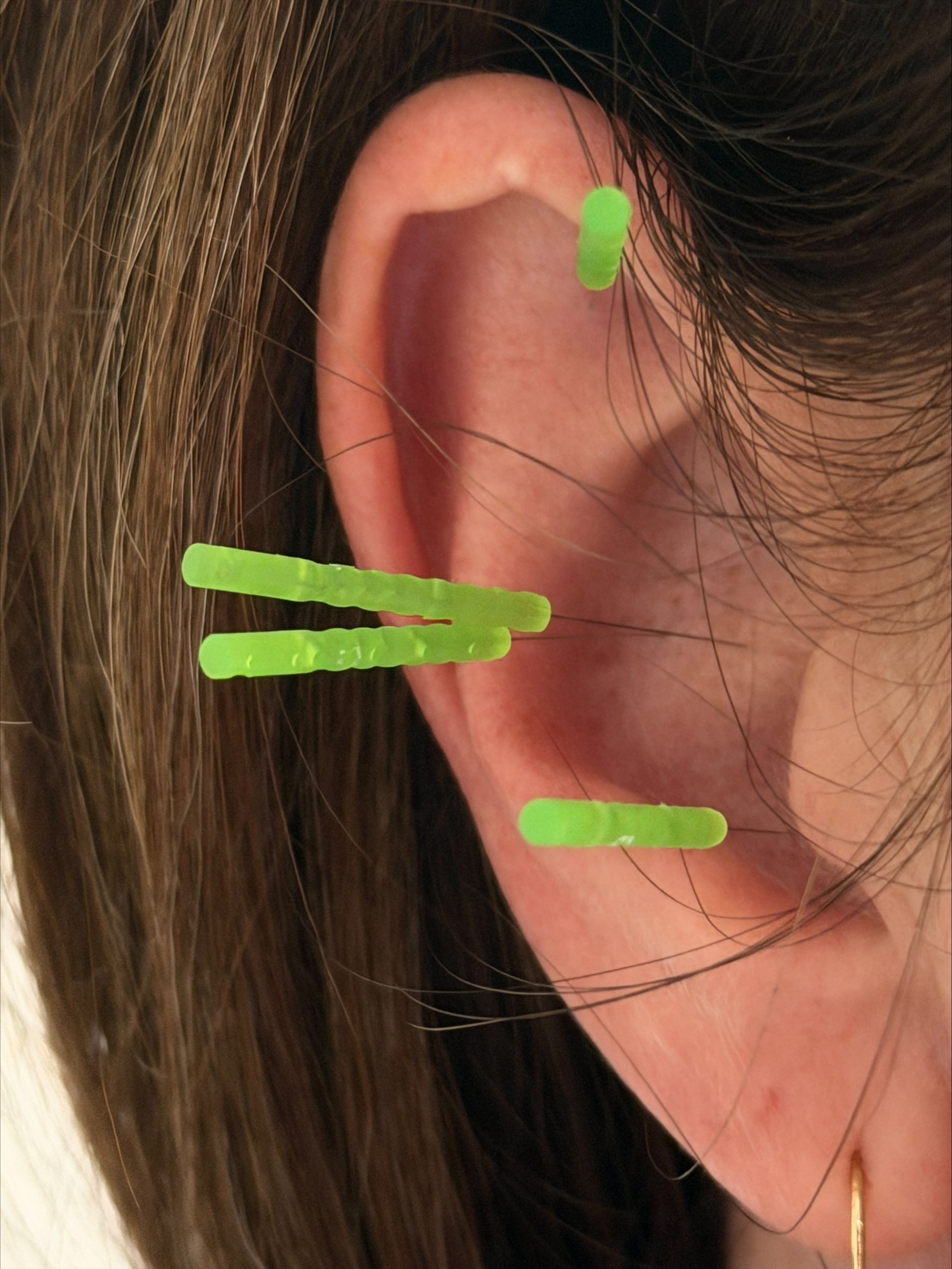
Ear acupuncture or auricular acupuncture can support direct stimulation of the vagus nerve. Studies show that auricular acupuncture can change brain activity in vagal-related regions, supporting calm, improved digestion, and reduced inflammation (Wang et. al, 2012).
Acupuncture has a well-documented influence on the autonomic nervous system, particularly the vagus nerve, which is the major nerve involved in rest-and-digest functions, emotional regulation, digestion, inflammation control, and hormonal balance.
There are other natural ways to stimulate the vagus nerve that help rebalance the autonomic nervous system (ANS). These practices can enhance both physical and emotional wellbeing by strengthening parasympathetic (rest-and-digest) activity. Supporting vagal tone can lead to greater emotional stability, a deeper sense of calm, improved digestive function, reduced inflammation, better stress resilience, decreased loneliness, stronger relationship connections, and lower pain sensitivity.
Helpful ways to naturally stimulate the vagus nerve include:
• Yoga – gentle movement and mindful breathing support parasympathetic activation.
• Singing, humming, chanting, or gargling – these activate the vocal cords and throat muscles, which are directly connected to branches of the vagus nerve.
• Slow, controlled breathing – diaphragmatic or paced breathing supports autonomic balance and has been shown to help with anxiety, depression, PTSD, pain, insomnia, hypertension, asthma, and COPD
References
He, W., Wang, X., Shi, H., Shang, H., Li, L., Jing, X., & Zhu, B. (2012). Auricular acupuncture and vagal regulation. Evidence‐Based Complementary and Alternative Medicine, 2012(1), 786839.